How Esports Coaching Can Improve Your Gameplay (2026 Guide)
Every player hits a wall. You grind hundreds of hours, watch pro streams, copy their settings — and your rank barely moves. The difference between plateauing and improving usually isn't more hours; it's structured feedback. That's what esports coaching provides. Once reserved for pro teams, coaching is now accessible to any ranked grinder through marketplaces, communities, and AI-assisted tools. This guide explains what coaching actually does, what it costs, how to choose a coach, and how to improve for free if you're not ready to pay.
---
Why raw hours stop working
Practice without feedback reinforces habits — including bad ones. Common plateaus:
- Mechanical ceiling: Your aim/movement is "good enough" that you stop consciously training it.
- Invisible mistakes: You die to the same positioning error every game and never notice, because you're focused on the fight, not the setup.
- Tilted review: After a loss, you blame teammates instead of extracting lessons.
- Meta lag: You play a style that was optimal two patches ago.
---
What esports coaching actually includes
1. VOD review (the highest-value service)
You record your ranked games; the coach reviews them with you, pausing to explain decision errors — rotations, timing, economy, positioning. One good VOD review typically surfaces 3–5 recurring mistakes you had no idea you were making.
2. Live coaching / duo sessions
The coach watches you play live (or plays alongside you) and gives real-time corrections. Great for habits like crosshair placement and minimap checking.
3. Structured training plans
Aim routines, movement drills, hero/agent pools, and weekly goals — turning aimless grinding into deliberate practice.
4. Mental game coaching
Tilt management, pre-game routines, and consistency under pressure. At higher levels, this is often the biggest differentiator.
---
What coaching costs in 2026
| Tier | Format | Typical price | | --- | --- | --- | | Community coaching | Discord communities, rank-up servers | Free–$15/session | | Marketplace coaches | Metafy/Fiverr-style platforms, verified high-rank players | $20–60/hour | | Ex-pro / pro coaches | Former pros, team coaches | $60–150+/hour | | Team packages | Group sessions for a 5-stack | $100–300/block | | AI-assisted analysis | Automated VOD/stat tools | Free–$15/month |
Value tip: One $40 VOD review per month plus disciplined self-review beats weekly sessions you don't act on.
---
How to choose a coach
Rank isn't everything: A Radiant player isn't automatically a good teacher. Look for coaches who explain why, not just what*.
- Reviews and sample content: Good coaches often post free educational content — audit their teaching style first.
- Role/agent match: A support-main coach won't maximize your entry-fragger gameplay.
- Structured follow-up: The best coaches end sessions with 2–3 specific homework items, not vague advice.
- Red flags: Guarantees of rank ("Diamond in 30 days"), account boosting offers (bannable), and coaches who mostly flex their own gameplay.
The free alternative: coach yourself
If you're not ready to pay, replicate 70% of coaching with discipline:
Self VOD review protocol
Deliberate practice blocks
15 minutes aim training (aim trainer or in-game range) with a specific* focus (e.g., only micro-flicks), not autopilot warmup.
- One "improvement game" per session where you focus on a single habit (e.g., minimap check every 5 seconds), win or lose.
Use AI and stat tools
Stat trackers and AI review tools flag statistical anomalies — low first-duel win rate, poor eco-round performance — that tell you what to review manually.
---
Coaching for teams and content creators
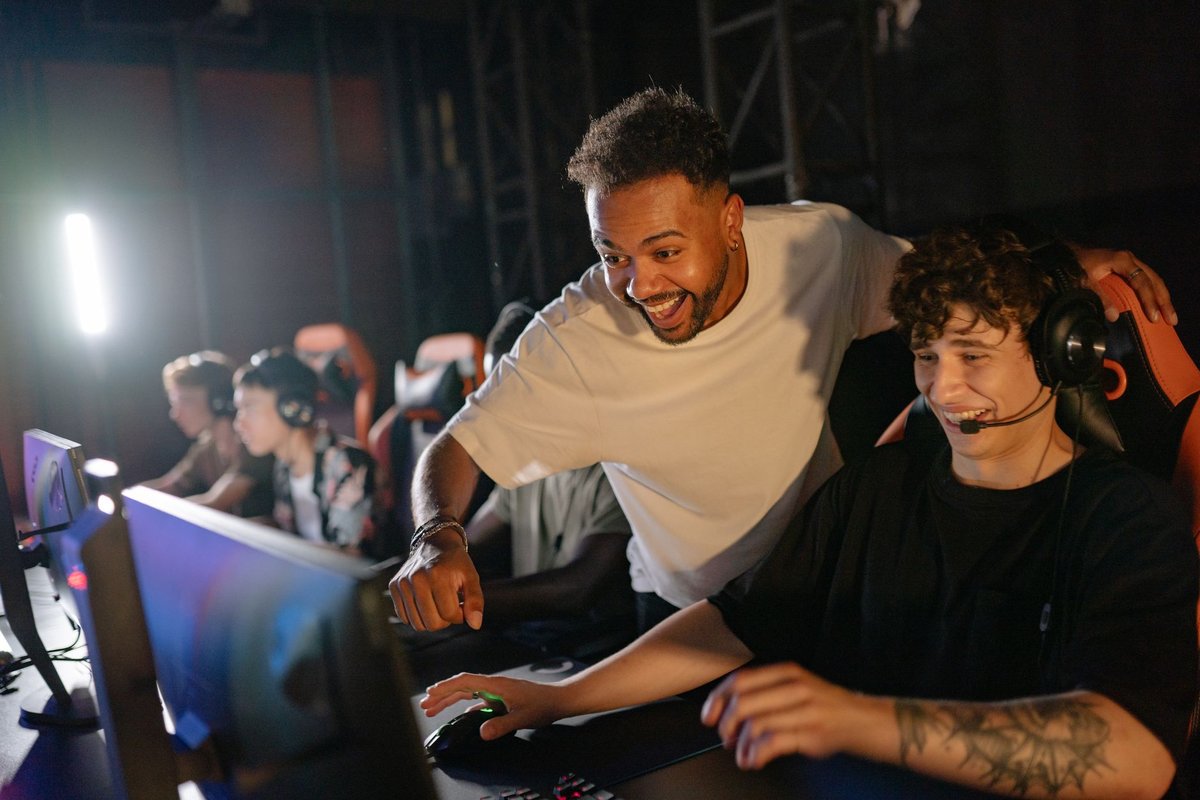
- 5-stack coaching: Amateur teams entering local tournaments benefit most from a coach handling strategy and reviews, letting players focus on execution.
- Content angle: "I hired a coach for 30 days" articles and videos perform extremely well — document your rank, sessions, and results.
Affiliate and monetization opportunities
- Coaching marketplaces: Referral programs for coaching platforms.
- Aim trainers: Subscriptions with affiliate programs.
- Gear links: Coaches always audit setups — natural placement for mice, monitors, and headsets.
- Your own coaching: High-rank bloggers can sell VOD reviews directly — the article itself becomes lead generation.
Realistic expectations
Coaching compresses the improvement timeline; it doesn't replace practice. A typical committed player sees:
- Weeks 1–2: Awareness phase — you notice mistakes mid-game (often feels worse before better).
- Weeks 3–6: Habits stabilize; consistency improves before rank does.
- Months 2–3: Rank movement, assuming you play enough games for variance to even out.
---
Conclusion
Esports coaching works because it replaces blind repetition with targeted feedback. Start with one VOD review to find your recurring mistakes, build a deliberate practice routine around them, and reinvest in coaching only when you plateau again. Whether you pay a coach or coach yourself with the protocol above, the principle is the same: review, isolate, drill, repeat.
Call to action: Record your next three ranked games and review only your deaths — write down the pattern you find, and you've just had your first coaching session.