Top Indie Games to Watch in 2026

1. Echoes of the Hollow (example title)
- Genre: Atmospheric puzzle-adventure.
- Why to watch: Unique time-manipulation mechanics and handcrafted art.
- Playtime: 6–10 hours.
- Coverage angle: Developer interview and "how the mechanic works" deep dive.
2. Neon Drift: Streets of Tomorrow
- Genre: Cyberpunk racing / narrative hybrid.
- Why to watch: Stylish visuals and a soundtrack-driven progression system.
- Playtime: 8–12 hours.
- Coverage angle: Best settings for performance and soundtrack review (affiliate: music platforms).
3. Garden of Whispers
- Genre: Cozy sim with emergent storytelling.
- Why to watch: Relaxing loop with deep NPC interactions.
- Playtime: 15–30 hours.
- Coverage angle: "Relaxing games" roundup and streaming tips.
4. Voidbound
- Genre: Roguelike action with procedural narrative.
- Why to watch: High replayability and tight combat.
- Playtime: 20+ hours.
- Coverage angle: Build guides and best classes for beginners.
5. Paper Skies
- Genre: Platformer with origami-inspired visuals.
- Why to watch: Distinct art direction and clever level design.
- Playtime: 5–8 hours.
- Coverage angle: Visual analysis and speedrun potential.
How to cover indie games on your blog
1. Early access and review embargoes
- Respect embargoes; request review keys early and plan coverage around launch windows.
2. Developer interviews
- Small teams are often accessible — interviews drive unique content and backlinks.
3. Deep dives and explainers
- Break down mechanics, art direction, and soundtrack to create evergreen content.
4. Video content
- Short gameplay clips, developer Q&As, and "first impressions" videos perform well on social platforms.
SEO and affiliate strategies
- Long-tail keywords: "Best cozy sims 2026", "how to beat boss X in [game]".
- Affiliate hooks: Soundtrack purchases, art books, controller recommendations for platformers.
- Lists and roundups: "Top 10 indie games this month" — high CTR and shareability.
Monetization ideas beyond affiliates
- Sponsored previews with indie devs.
- Patreon or membership for early access content and exclusive guides.
- Merch collabs with indie developers for limited-run items.
Community engagement tips
- Host developer AMAs on your site or social channels.
- Run giveaways for keys or merch to grow email lists.
- Feature reader reviews to build community trust and recurring visits.
Conclusion
Indie games in 2026 will continue to surprise and inspire. Covering them thoughtfully — with interviews, deep dives, and practical guides — positions your blog as a go-to source for discovery. Pair reviews with affiliate gear and streaming tips to monetize while supporting small developers.
Call to action: Pick one upcoming indie from this list and request a review key — publish a "first impressions" piece the week of launch to capture early search traffic.
---
Deep dive: how to actually find promising indies before they blow up
Anyone can list popular indies after launch. Finding them early is the skill that builds a discovery blog's reputation:
Steam's data trails. Wishlist velocity is the industry's leading indicator. Watch the "Popular Upcoming" tab weekly, and pay attention to demos climbing player-count charts during Steam Next Fest — a demo holding several thousand concurrent players almost always converts into a significant launch.
Publisher signal. Certain indie publishers have earned trust through consistent curation. When a proven curation-heavy label signs a game, it has passed a quality bar most unsigned projects haven't. Following ten good publishers beats scanning ten thousand Steam pages.
Developer pedigree. "From two former [major studio] designers" is the most reliable pattern in indie development. Track studio-formation announcements — the games arrive two to three years later.
Festival circuits. Day of the Devs, the Independent Games Festival finalists, and platform showcases surface polished projects six to twelve months before release — perfect timing for preview coverage that ranks before launch-day competition arrives.
TikTok and Shorts. A single viral clip now launches indie careers. Games with a strong "clip loop" — one mechanic that reads instantly in fifteen seconds — are disproportionately likely to break out. When you see one, write the preview that week.
---
The economics your readers should understand
Indie pricing and platforms shape what gets made:
- The $15–30 sweet spot: Most successful indies land here — cheap enough for impulse buys, expensive enough to sustain a small team. Coverage framing ("worth it at full price" vs "wait for a sale") genuinely helps readers and builds trust.
- Subscription deals: Game Pass and PS Plus day-one deals fund many indies outright. If a game hits a subscription service, tell readers — "free on Game Pass" changes the buying decision entirely.
- Early Access done right: The best Early Access titles ship a complete core loop and add content; the worst ship promises. Review the current build, not the roadmap.
Frequently asked questions
How is an "indie" game defined in 2026? Loosely: made by a small team without major-publisher funding. The label stretches — some "indies" have sizable budgets and publisher deals. What readers usually mean is games driven by a singular creative vision rather than market-tested formulas, and that's the spirit worth covering.
Are indie games worth covering for a new blog versus AAA? Strongly yes. AAA coverage competes against giant outlets on day one; indie coverage competes against almost nobody. A thoughtful review of a small game frequently becomes the top search result for that title, driving steady traffic for years — and developers share good coverage, giving you backlinks and community reach.
How do I get review keys as a small site? Email the developer directly with your site, traffic, and a link to previous coverage — indie devs answer their own email. Curator programs on Steam and press-key platforms like Keymailer also work once you have any track record. Always disclose received keys.
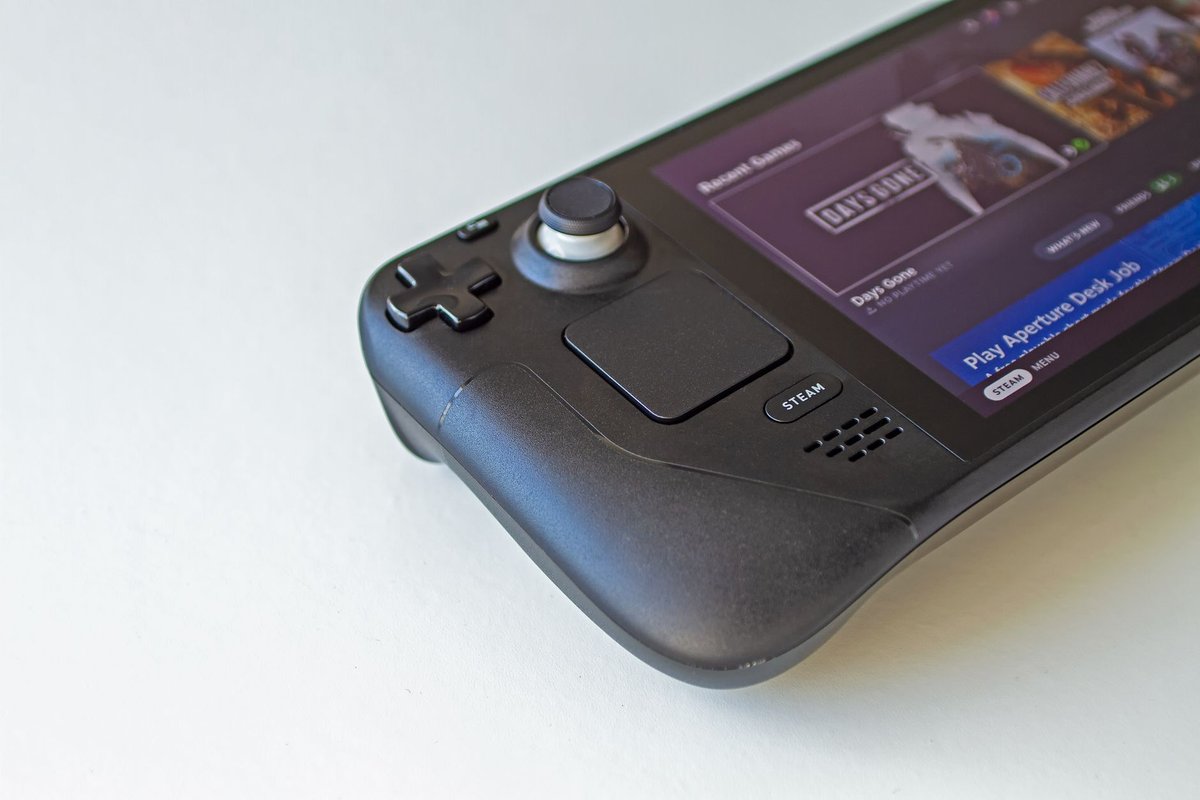
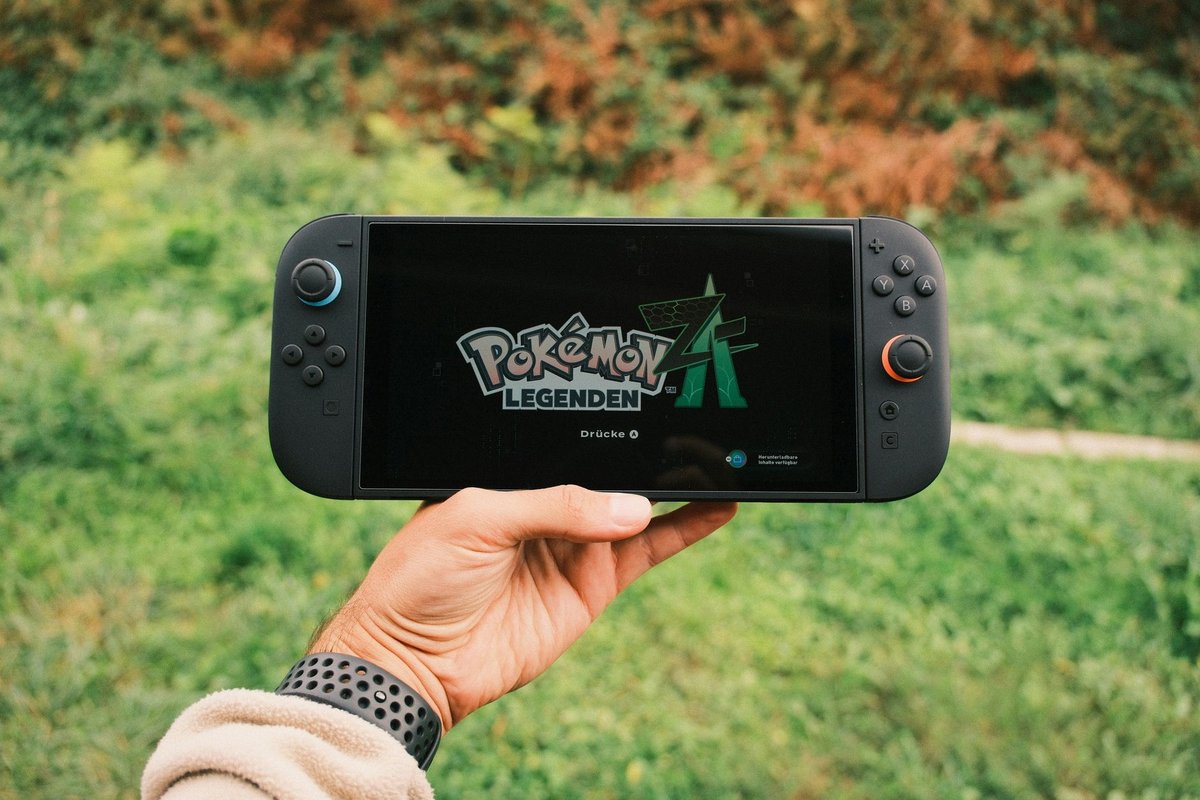
What platforms should indie coverage target? Steam first (the discovery hub), Switch second (indies thrive on handhelds), then PlayStation/Xbox. Steam Deck verification status is now a standard reader question — include it in every review.
Do indie games hold their value for affiliate revenue? Individual sales are small, but indie content earns through volume, evergreen search positions, and adjacent gear (controllers for platformers, handhelds for cozy games). Bundle and sale roundups convert particularly well.
---