How to Maximize Savings During Steam Sales: A Practical Guide
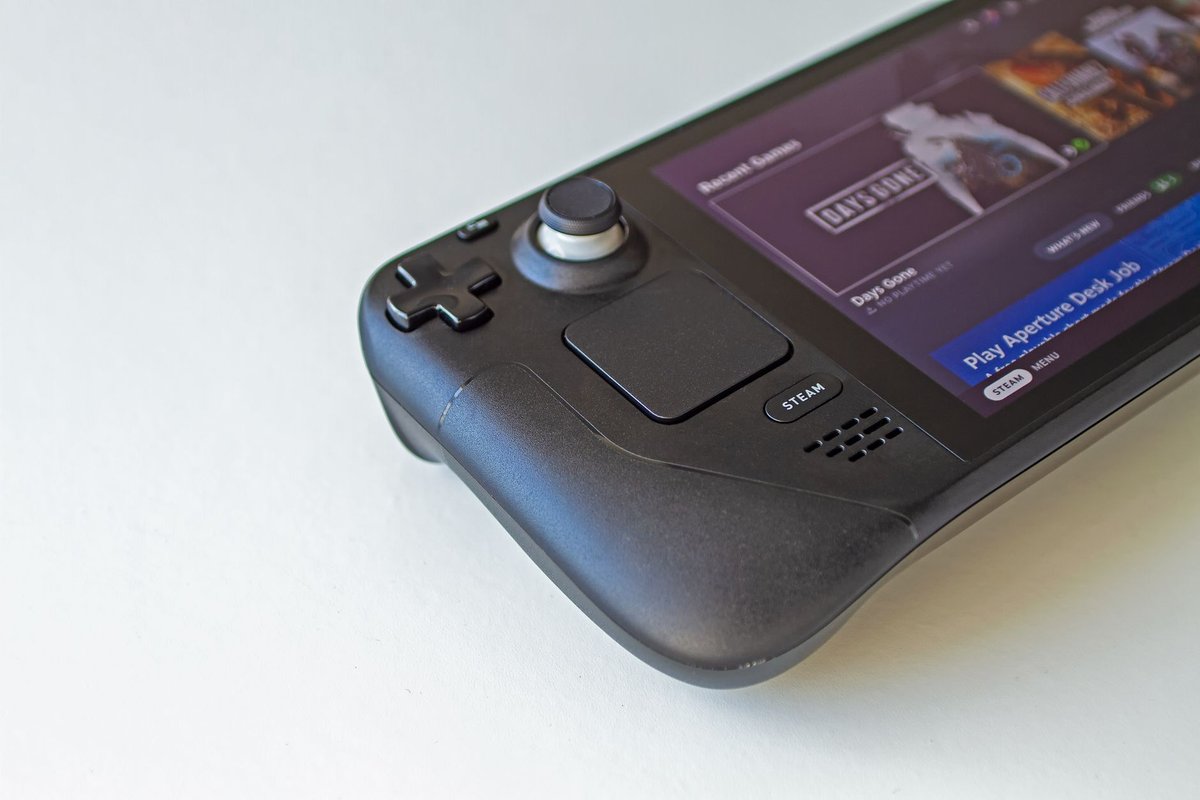
Steam sales are the best time to expand your library, but impulse buys and poor planning can leave you with games you never play. This guide teaches a strategic approach to Steam sales: how to prioritize purchases, spot real discounts, use wishlists and bundles, and leverage affiliate and referral opportunities to monetize your coverage.
---
Why strategy matters
- Avoid buyer's remorse: Not every 70% off game is worth it.
- Prioritize playtime: Buy games you'll actually play or stream.
- Maximize value: Use bundles, DLC deals, and cross-store promotions.
- Monetize: Affiliate links and curated lists can earn revenue during sales.
Pre-sale preparation
1. Build and curate your wishlist
- Add games you genuinely want and sort by priority. Steam notifies you when wishlist items go on sale.
2. Research prices and historical lows
- Use price trackers (e.g., IsThereAnyDeal, SteamDB) to know if a discount is truly a bargain.
3. Set a budget
- Decide how much you'll spend and stick to it. Consider allocating funds by category: indie, AAA, DLC.
4. Follow developers and publishers
- Some devs run publisher-specific discounts or bundles during sales.
During the sale: what to watch for
1. Deep discounts vs. flash deals
- Deep discounts are consistent across the sale; flash deals are time-limited. Prioritize deep discounts for big purchases.
2. Bundles and complete editions
- Bundles often provide the best per-game price, especially for DLC-heavy titles.
3. Regional pricing and currency
- Be mindful of regional pricing differences and currency conversion fees.
4. Free weekends and demos
- Use free weekends to test multiplayer or heavy games before buying.
How to spot real value
- Compare historical lows — a 50% discount might not be a bargain if the game's low is 80%.
- Check DLC and season passes — sometimes the base game is cheap but essential DLC is not.
- Look for cross-buy or cross-save — buy once, play on multiple platforms.
Post-purchase strategies
- Refund policy: Steam's refund policy (under 2 hours played and within 14 days) protects you — use it if a game doesn't meet expectations.
- Trading cards and items can offset costs slightly for some titles.
- Bundle gifting: Coordinate purchases with friends to avoid duplicates.
Affiliate and content strategies for bloggers
- Curated sale lists: "Top 10 indie deals this Steam sale" — high CTR.
- Price history widgets and trackers embedded in posts.
- Affiliate links to store pages and bundles (where allowed).
- Video roundups of best deals for streamers and creators.
Common sale pitfalls and how to avoid them
- Impulse buying: Use the wishlist and a cooling-off period before checkout.
- Buying for completionism: Prioritize games you'll play this year.
- Ignoring system requirements: Check minimum and recommended specs to avoid refunds.
Example buying plan (budget $50)
- $20: One AAA title on deep discount.
- $15: Two indie games with high replayability.
- $10: DLC or season pass for a game you already play.
- $5: Experimental or niche title for variety.
---
Tools and resources
- Price trackers: IsThereAnyDeal, SteamDB.
- Wishlist management: Steam's built-in wishlist and third-party trackers.
- Deal communities: Reddit r/GameDeals and Discord deal channels.
Conclusion
Steam sales reward planning. Build a wishlist, research historical prices, set a budget, and prioritize games you'll actually play. For content creators, curated lists and affiliate links during sales are high-conversion opportunities. With a disciplined approach, you'll expand your library without buyer's remorse.
Call to action: Prepare your wishlist now and set a sale budget — when the sale hits, buy with confidence.