Top RGB Gaming Keyboards for Competitive Play (2026 Guide)
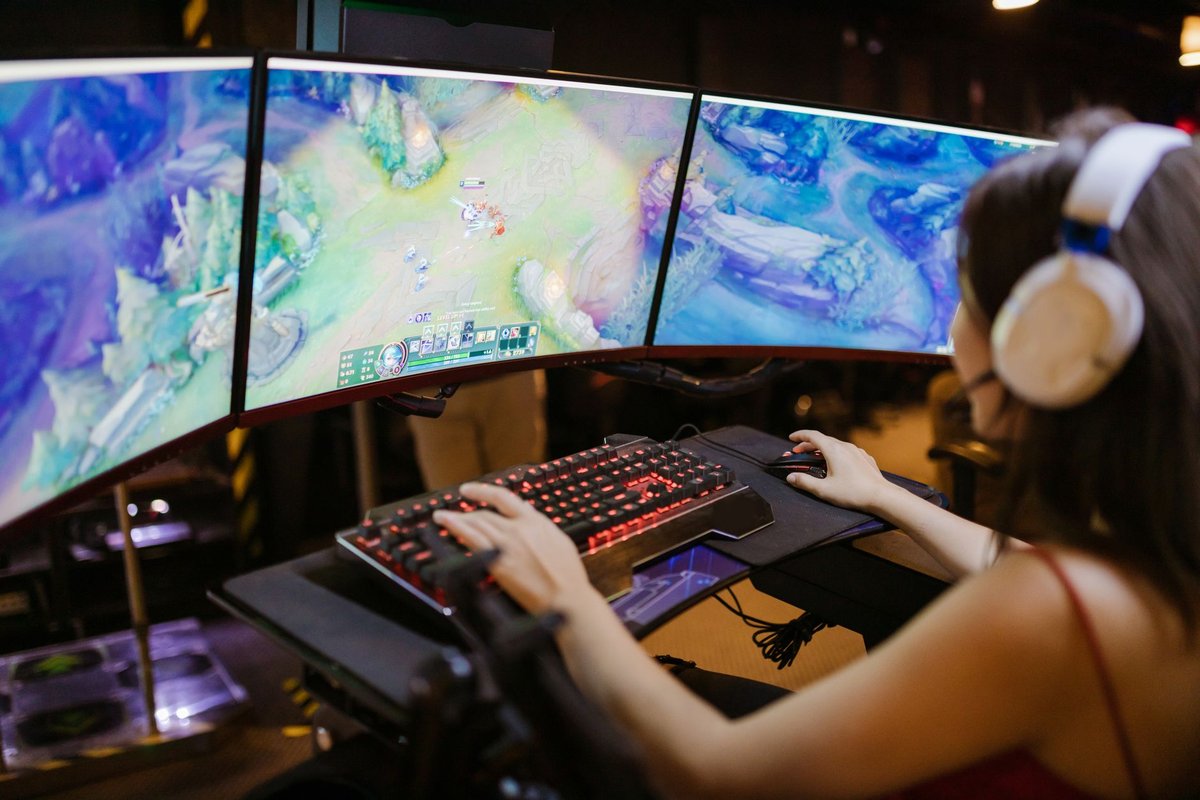
The gaming keyboard market changed more in the last three years than in the previous fifteen. RGB is now table stakes, the real story in 2026 is switch technology: hall effect sensors, adjustable actuation, and rapid trigger have redefined what "competitive advantage" means at the keyboard level. This guide explains what actually matters when buying an RGB gaming keyboard today, which features are worth paying for, and the best options across budgets.
---
RGB is the baseline: switches are the battleground
Every gaming keyboard ships with RGB now. What separates a $50 board from a $200 one:
- Switch technology (mechanical vs. hall effect/magnetic).
- Actuation customization (fixed vs. adjustable per key).
- Rapid trigger (dynamic reset for faster repeated inputs).
- Build quality (plate material, stabilizers, case rigidity).
- Latency (polling rate, debounce, wireless implementation).
---
Switch types explained
Mechanical (linear, tactile, clicky)
- Linear (e.g., red-style): Smooth press, no bump, the competitive default.
- Tactile (brown-style): A bump at actuation, great for typing-heavy users.
- Clicky (blue-style): Audible click, satisfying, but loud for streams and shared rooms.
Hall effect / magnetic switches
The big 2020s upgrade. Instead of a physical contact, a magnetic sensor reads exact key depth, enabling:
- Adjustable actuation: Set a hair-trigger 0.1–0.5 mm for movement keys, deeper 2 mm+ for keys you fat-finger.
- Rapid trigger: The key resets the instant you start releasing it, not at a fixed point, dramatically faster counter-strafing in CS2 and Valorant.
- Dual-stage inputs: Half-press for walk, full press for sprint (game-dependent).
> Competitive note: Some games and tournaments have restricted specific input techniques enabled by analog keyboards (like certain snap-tap/SOCD behaviors). Check current game rules before relying on them in ranked play.
---
What matters for competitive play
Latency and polling
- 1000 Hz polling is fine; 4000–8000 Hz exists but is marginal for keyboards (matters more for mice).
- Wired or 2.4 GHz wireless, both are competitive-grade now; avoid Bluetooth for gaming.
Form factor
- TKL (tenkeyless) and 60–65% dominate competitive play, more mouse room at low sensitivity.
- Full-size only if you need the numpad for work or MMOs.
Keycaps and stabilizers
- PBT keycaps resist shine and feel better long-term than ABS.
- Pre-lubed stabilizers on space/enter/shift separate premium boards from rattly budget ones.
Top picks by category
1. Best overall hall effect: Wooting 60HE+ / 80HE class
- Why: The board that defined rapid trigger; superb software, per-key actuation.
- Who it's for: Serious tactical shooter players.
2. Best mainstream hall effect: Razer Huntsman V3 Pro / SteelSeries Apex Pro class
- Why: Big-brand builds with adjustable actuation and rapid trigger, wide availability.
- Who it's for: Players who want HE features with mainstream software ecosystems.
3. Best value RGB mechanical: budget hot-swap boards (Keychron, Royal Kludge class)
- Why: Hot-swappable switches, decent stabilizers, and full RGB under $80.
- Who it's for: First mechanical keyboard buyers and tinkerers.
4. Best wireless: Logitech G Pro X TKL / ASUS Falchion class
- Why: Tournament-grade 2.4 GHz wireless, clean TKL layouts.
- Who it's for: Clean-desk players and LAN travelers.
5. Best quiet option: silent linear switches or low-profile boards
- Why: Streamers and night players need inputs that don't dominate the mic.
- Who it's for: Content creators and shared living spaces.
Comparison snapshot
| Category | Switch tech | Rapid trigger | Typical price | | --- | --- | --- | --- | | Enthusiast HE | Hall effect | Yes | $170–200+ | | Mainstream HE | Hall effect/optical | Yes | $150–250 | | Value mechanical | Mechanical hot-swap | No | $50–90 | | Wireless TKL | Mechanical | Rarely | $130–200 | | Silent build | Silent linears | Varies | $80–180 |
---
RGB done right
- Sync ecosystems: If you own other RGB gear, staying in one ecosystem (Razer, Logitech, Corsair, or open-source tools like SignalRGB/OpenRGB) makes syncing painless.
- Useful lighting: Per-key RGB can highlight ability keys per game, genuinely useful for MMOs and MOBAs.
- Onboard profiles: Boards with onboard memory keep your lighting and actuation settings at LANs without software installs.
Sound and feel upgrades
Keyboard modding is a popular way to personalize a board further:
- Switch swaps on hot-swap boards (~$25–50 for a set).
- Foam/tape mods for deeper sound.
- Aftermarket keycaps ($30–120), endless roundup potential.
Conclusion
In 2026, the smart money in gaming keyboards goes to switch technology first, build quality second, and RGB last. If you play competitive shooters, a rapid-trigger hall effect board is a real upgrade; for everyone else, a well-built hot-swap mechanical with PBT caps delivers 90% of the experience at half the price.
Call to action: Decide whether rapid trigger matters for your main game, then pick from the matching category above, and tell us how many rounds it took to feel the difference.