Best Mechanical Switches for Gaming: Linear vs Tactile vs Hall Effect (2026 Guide)
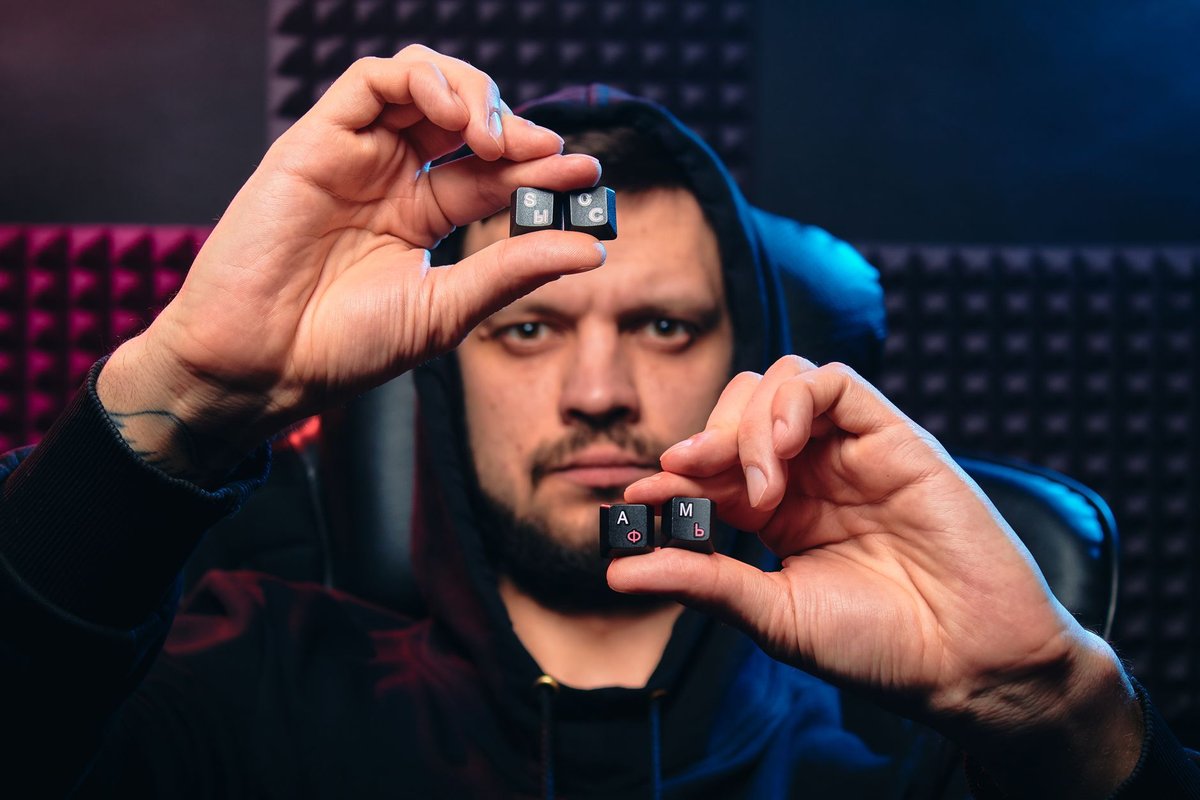
Choosing the best mechanical switches for gaming matters more than most keyboard specs: the switch determines how fast keys actuate, how they feel across thousands of presses, and how loud your setup is on stream. In 2026 the choice is broader than ever: classic linears and tactiles, factory-lubed premium switches, silent variants, and hall effect switches that blur the line entirely. This guide explains each type, matches switches to playstyles, and shows how to buy and test without wasting money.
Switch types explained (and who each is for)
Linear, the competitive default
Smooth travel from top to bottom with no bump. Nothing interrupts fast double-taps, counter-strafes, and spam inputs, which is why linears dominate competitive play.
- Classic examples: Cherry MX Red/Black, Gateron Red/Yellow.
- Speed variants: Cherry MX Speed Silver and similar "speed" linears shorten pre-travel to ~1.1–1.2mm so keys actuate sooner.
- Best for: FPS, MOBA, rhythm games, anyone prioritizing raw input speed.
Tactile, the hybrid choice
A noticeable bump at the actuation point gives physical feedback without a loud click.
- Examples: Gateron Brown class for subtle feedback; Zealios V2 and Akko V3 tactiles for a more pronounced bump.
- Best for: Players who type as much as they game; reduces accidental presses.
Clicky, satisfying but antisocial
A sharp audible click at actuation. Fun to type on, terrible for shared rooms and stream mics.
- Examples: Cherry MX Blue class, Kailh Box White.
- Best for: Solo players who love the sound. Avoid for streaming.
Silent switches, the roommate saver
Linear or tactile switches with internal dampening that cuts bottom-out and return noise dramatically.
- Examples: Cherry MX Silent Red, Gateron Silent variants.
- Best for: Night players, shared spaces, and quiet stream setups.
Hall effect / magnetic, the new competitive frontier
Not traditional mechanical switches: a magnetic sensor reads exact key depth, enabling adjustable actuation (set 0.1–4.0mm per key) and rapid trigger (key resets the instant you release). For tactical shooters this is the biggest switch-level advantage available in 2026, covered in depth in our RGB keyboards guide.
- Requires: A hall effect keyboard (Wooting, Razer/SteelSeries HE boards); you can't drop these into a standard hot-swap board.
- Best for: Serious Valorant/CS2 players.
The specs that actually matter
- Actuation force (gf): How hard you press to register. 40–50gf feels light and fast; 60gf+ resists accidental presses but tires fingers. For gaming, 45gf linear is the safe default.
- Pre-travel (mm): Distance before actuation. Standard ~2.0mm; speed switches ~1.1–1.2mm. Shorter = earlier actuation but more accidental presses while typing.
- Total travel: Standard ~4.0mm; shorter travel suits fast spam inputs.
- Factory lubrication: Pre-lubed premium switches (Gateron Oil King class, Durock linears) feel dramatically smoother out of the box, worth the extra cost over unlubed budget switches if you won't mod.
- Mount and pins: 3-pin vs 5-pin, check what your hot-swap board accepts; 5-pin switches can be clipped to fit 3-pin sockets.
- Durability: 50–100M actuation ratings are standard claims; real longevity depends on build quality, favor established brands.
Recommendations by playstyle
| Playstyle | Switch type | Example picks | | --- | --- | --- | | Competitive FPS | Speed linear | Cherry MX Speed Silver, Gateron Yellow | | Tactical shooters (rapid trigger) | Hall effect board | Wooting/Razer HE boards | | Gaming + heavy typing | Tactile | Zealios V2, Akko V3 tactile | | Smoothest out of box | Pre-lubed linear | Gateron Oil King class | | Quiet rooms / night play | Silent linear | Cherry/Gateron Silent Red class |
Before you buy: the compatibility checklist
Buy a sampler first (the money-saving step)
Switch feel is personal and descriptions only go so far. Before buying 90 switches:
- Order a switch tester/sampler pack ($10–20) with one of each candidate.
- Test in your actual board, the same switch feels different on different plates and cases.
- Give each switch a full session, not a desk tap, actuation feel under gameplay stress differs from casual testing.
Modding basics: making cheap switches feel expensive
- Lubing: Thin lubricant (Krytox 205g0 class) on rails and springs transforms scratchy budget linears. Time cost: ~2 hours per board.
- Films: Switch films reduce housing wobble for a tighter feel.
- Spring swaps: Change actuation weight without changing the switch character.
- When not to bother: Factory-lubed premium switches make modding unnecessary for most gamers, pay the extra $15 and play instead.
Comparison table (3 products)
| Product | One-line pro | One-line con | | --- | --- | --- | | Cherry MX Speed Silver | Very short pre-travel for earliest actuation | Easy to mistype on while writing | | Gateron Oil King class (pre-lubed) | Premium smoothness with zero modding | Costs more per switch than basic linears | | Zealios V2 / premium tactile | Crisp bump for typing accuracy plus gaming | Pricier and slightly slower for pure spam inputs |
FAQ
Q: What are the best mechanical switches for FPS gaming? A: Light linear switches (40–50gf) with short pre-travel, Cherry MX Speed Silver or Gateron Yellow class. For tactical shooters, hall effect boards with rapid trigger go a step further.
Q: Are linear or tactile switches better for gaming? A: Linear for pure gaming speed; tactile if you also type a lot and want feedback that reduces accidental presses. There's no wrong answer, it's feel preference backed by small mechanical differences.
Q: Do switches actually affect gaming performance? A: Modestly, shorter pre-travel actuates a few milliseconds earlier and light springs ease rapid inputs. The bigger effects are comfort and consistency over long sessions. Rapid-trigger hall effect boards are the exception: their reset behavior is a measurable competitive advantage.
Q: What does "factory lubed" mean and is it worth it? A: The manufacturer applies lubricant to rails and springs so switches feel smooth out of the box. Worth it for most buyers, hand-lubing 90 switches takes hours.
Q: Can I put hall effect switches in my hot-swap keyboard? A: No, hall effect requires a board with magnetic sensors built in. Standard hot-swap boards accept only MX-style mechanical switches.
Q: How many switches do I need? A: Match your layout (61 for 60%, 87 for TKL, 104 for full-size) and add ~10% spares.
Final verdict and CTA
For most gamers the answer is simple: a light, short-travel linear (Speed Silver or Gateron Yellow class) for competitive play, a premium tactile if you type as much as you game, and a silent linear for shared rooms. Serious tactical-shooter players should skip the switch aisle entirely and look at hall effect boards. Whatever you choose, sampler pack first, full set second.
Try it: order a sampler with your top three candidates this week, and share which switch won after a week of ranked games.
---
---